

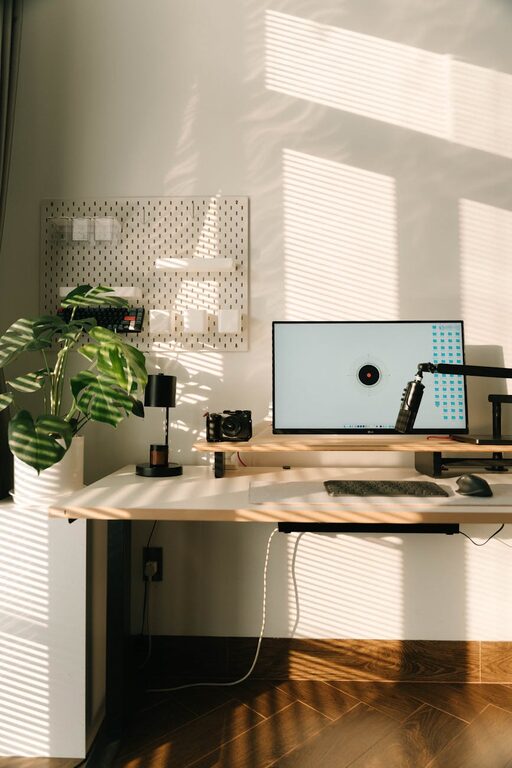
Creating a relaxing home workspace is essential for maintaining focus, reducing stress, and enhancing overall productivity—especially in today’s world where many of us spend hours working from home. A well-designed workspace not only makes your workday more enjoyable but also helps balance work and personal life by creating clear boundaries.
In this post, we’ll explore practical tips to help you set up a calming workspace that feels inviting and keeps you motivated.
1. Choose the Right Location
Find a Quiet Spot
Select a place in your home that is relatively quiet and free from distractions. This might be a spare room, a corner in your living room, or even a nook by a window. A quiet environment helps you concentrate and reduces interruptions during work hours.
Consider Natural Light
Try to position your desk near a window to take advantage of natural light. Sunlight not only brightens your space but also improves mood and energy levels. If natural light is limited, invest in good quality artificial lighting that mimics daylight.
2. Invest in Comfortable Furniture
Ergonomic Chair and Desk
Comfort is key to staying productive for long periods. Choose an ergonomic chair that supports your back and promotes good posture. Pair it with a desk at the right height to avoid strain on your wrists and shoulders.
Adjustable Options
If possible, opt for adjustable furniture, such as a sit-stand desk or a chair with height and tilt adjustments. Flexibility allows you to change positions and stay comfortable throughout the day.
3. Declutter and Organize
Keep Only Essentials
A clutter-free desk reduces distractions and promotes a calm mind. Keep only the essentials on your workspace: your computer, notebook, pens, and any necessary documents.
Use Storage Solutions
Incorporate organizers like drawers, shelves, or storage bins to keep supplies out of sight but within reach. Label your organizers to find things quickly and maintain order.
4. Personalize Mindfully
Add Calming Elements
Personal touches can make your workspace feel inviting, but it’s important not to overdo it. Consider adding a few calming items such as a small plant, a piece of art you love, or a scented candle.
Avoid Overstimulation
Too many decorations or noise-making gadgets can become distractions. Keep personalization subtle and focus on items that make you feel relaxed and motivated.
5. Manage Cables and Tech Setup
Organize Your Cables
Messy cables can create visual clutter and frustration. Use cable clips, sleeves, or ties to keep cords tidy and prevent tangling.
Optimize Your Tech
Ensure your computer, monitor, keyboard, and mouse are set up ergonomically for comfort. Arrange screens at eye level and maintain an appropriate distance to avoid eye strain.
6. Control Noise and Ambiance
Use Noise-Cancelling Tools
If background noise is an issue, consider noise-cancelling headphones or white noise machines to create a peaceful sound environment.
Play Soft Background Music
Some people find that soft instrumental music or nature sounds help concentration. Experiment and see what atmosphere works best for you.
7. Incorporate Break and Movement Spaces
Designate a Relaxation Spot
If possible, include a cozy chair or a small area where you can take short breaks. Stepping away from your desk encourages movement and mental refreshment.
Take Regular Breaks
Remember to stand, stretch, or walk every hour to reduce fatigue and maintain focus.
8. Maintain Good Air Quality
Ventilate the Space
Open windows regularly to let fresh air in. Good ventilation helps prevent stuffiness and keeps you alert.
Add Air-Purifying Plants
Plants like spider plants, snake plants, or peace lilies can improve air quality and add a natural, calming vibe to your workspace.
9. Set Boundaries and Routine
Define Work Hours
Especially when working from home, set clear work hours to avoid burnout. Turning off notifications and closing your workspace after hours helps maintain work-life balance.
Create a Start and End Ritual
Simple rituals, like a specific playlist when starting work or a brief tidying session at the end of the day, can signal transitions and improve focus.
—
Creating a relaxing home workspace is about combining comfort, function, and personalization in a way that supports your work habits and mental well-being. Start with small changes, like organizing your desk or adding a plant, and gradually build a space where you feel calm and motivated every day.